
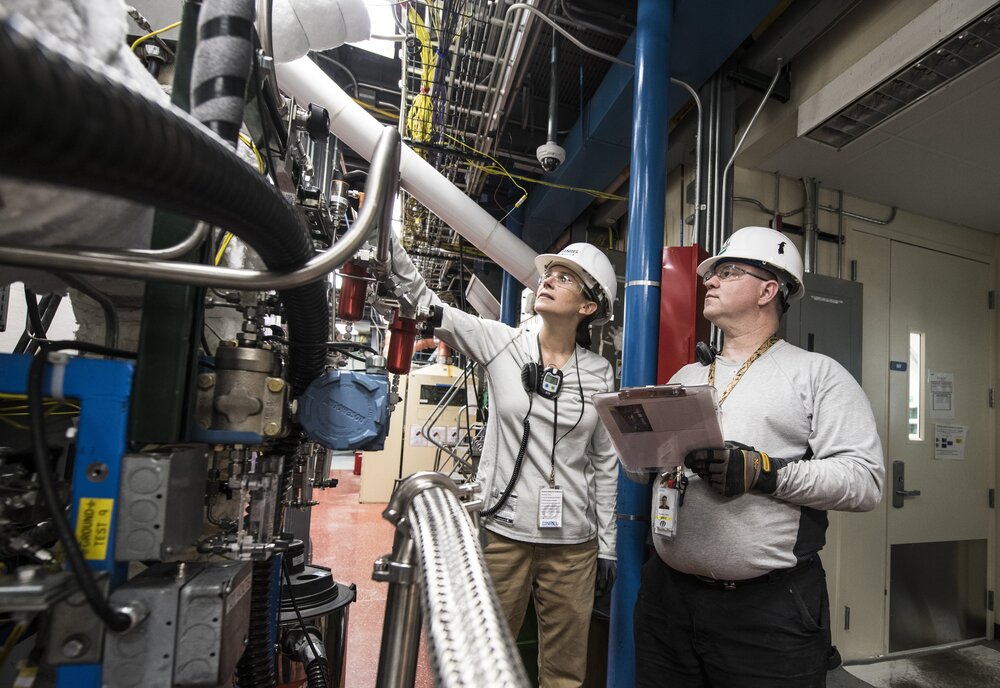
Contract manufacturing offers businesses significant benefits, including cost savings, access to expertise, and the ability to scale production efficiently. By outsourcing production, companies can focus on their core competencies while leveraging advanced technology, ensuring compliance, and mitigating risks.
Cost Efficiency
One of the most compelling advantages of contract manufacturing is cost savings. By outsourcing production, companies can avoid the significant expenses associated with setting up and maintaining manufacturing facilities. Contract manufacturers often have established processes, economies of scale, and lower labor costs, resulting in reduced production costs for their clients.
Access to Expertise
Contract manufacturers specialize in specific areas of production, allowing businesses to leverage their expertise. These manufacturers often employ skilled professionals with extensive experience and knowledge in their respective fields. This expertise can lead to higher-quality products, reduced errors, and improved overall efficiency.
Flexibility and Scalability
Contract manufacturing offers businesses the flexibility to scale production up or down based on market demand. This adaptability is crucial in today’s dynamic marketplace, where demand can fluctuate rapidly. By partnering with a contract manufacturer, companies can easily adjust their production levels without the risks associated with managing their own manufacturing facilities.
Focus on Core Competencies
Outsourcing production allows businesses to concentrate on their core competencies, such as research and development, marketing, and customer service. By freeing up internal resources, companies can dedicate more time and energy to activities that drive growth and innovation, ultimately enhancing their competitive edge.
Faster Time to Market
In a highly competitive landscape, time is of the essence. Contract manufacturers often have established processes and infrastructure, enabling them to produce products more quickly than in-house teams could. This speed can significantly shorten the time to market, allowing businesses to respond swiftly to customer needs and market trends.
Improved Quality Control
Many contract manufacturers implement rigorous quality control measures to ensure that their products meet industry standards. By partnering with a reputable contract manufacturer, businesses can benefit from these quality assurance processes, resulting in higher-quality products and increased customer satisfaction.
Access to Advanced Technology
Investing in cutting-edge manufacturing technology can be prohibitively expensive for many companies. Contract manufacturers typically have access to the latest technologies and equipment, allowing businesses to benefit from advanced manufacturing capabilities without the associated costs.
Risk Mitigation
By outsourcing production, companies can spread the risk associated with manufacturing. If a contract manufacturer encounters issues such as supply chain disruptions or equipment failures, the impact on the client’s business can be minimized. This risk-sharing can provide greater peace of mind and stability.
Global Reach
Contract manufacturing often provides businesses with access to international markets. Many contract manufacturers have established supply chains and distribution networks that span the globe. This can help companies enter new markets more easily and efficiently, expanding their reach and potential customer base.
Compliance
As regulatory requirements continue to evolve, ensuring compliance with industry standards is crucial for businesses. Many contract manufacturers implement rigorous compliance measures to meet these regulations, which can vary by industry and region. By partnering with these manufacturers, companies can ensure that their products adhere to safety, quality, and environmental standards, mitigating risks associated with non-compliance. This proactive approach not only protects the company from potential legal issues but also enhances its reputation, fostering trust and loyalty among customers.
Summary
In summary, contract manufacturing provides businesses with numerous advantages, such as cost savings, access to specialized expertise, and scalability to meet market demands. By choosing to outsource production, companies can focus on their core activities, while simultaneously improving product quality and accelerating time to market. Furthermore, they can leverage advanced technology and global supply chains. In addition, contract manufacturers help mitigate risks, ensure compliance with industry regulations, and facilitate market expansion, ultimately making them a valuable partner for efficient and high-quality production.


